
In retail, knowledge is power — but only if employees can access it when they need it. From SOPs and return policies to compliance rules and daily checklists, small and mid-sized retailers (SMBs) in the U.S. depend on clear, accessible knowledge to keep stores running smoothly.
The problem? Most of this information is scattered, outdated, or stuck in managers’ heads. Employees waste time searching for answers, service quality varies by store, and managers spend hours repeating the same instructions.
This article will explore how SMB retailers can approach knowledge management effectively: what it means, why it matters, common challenges, and how AI tools like BucketsAi are reshaping the way retail teams learn and operate.
👉 Want to see a live example? Start Try now
What knowledge management means in retail
Knowledge management (KM) is the practice of capturing, organizing, and sharing information so employees can use it effectively. In retail, this typically includes:
- Standard Operating Procedures (SOPs)
- Store policies (returns, exchanges, discounts)
- Compliance rules (alcohol sales, health & safety)
- Product knowledge (brand guides, sizing charts, warranties)
- Operational checklists (opening, closing, cash handling)
When done right, KM ensures every employee — from cashier to store manager — knows exactly how to handle common situations.
Why it’s critical for SMB retailers
Unlike large enterprises, SMB retailers don’t have dedicated training departments or layers of support staff. Every wasted minute impacts productivity and customer satisfaction. Effective knowledge management helps by:
- Reducing onboarding time → New hires become productive in days, not weeks.
- Ensuring consistency → Customers get the same experience across every store.
- Freeing managers → Leaders spend less time answering repetitive questions.
- Improving compliance → Stores follow the same safety and regulatory standards.
👉 Related read: 5 Biggest Retail Training Challenges (and How to Fix Them)
Top challenges retailers face
Here are the most common issues SMB retailers encounter with knowledge management:
- High turnover → Constant need to retrain staff.
- Scattered resources → Policies spread across binders, PDFs, or emails.
- Knowledge loss → When managers leave, their know-how leaves with them.
- Repetitive interruptions → Managers answer the same questions dozens of times.
- Service inconsistency → Stores handle situations differently, confusing customers.
Traditional approaches vs. modern solutions
Historically, retailers tried to solve these issues with:
- Printed manuals → Hard to update, rarely used.
- Shared drives (Google Drive, Dropbox) → Better, but hard to search in real time.
- LMS platforms → Useful for courses, but slow and expensive for SMBs.
- “Ask your manager” → Relies on personal memory, wastes time.
While these methods cover the basics, they don’t fit the fast, high-turnover nature of retail.
This is where modern AI-powered solutions step in.
How AI transforms knowledge sharing
Instead of static documents, AI tools like BucketsAi make knowledge conversational, accessible, and trackable.
Here’s how it works:
- Upload knowledge → SOPs, policies, checklists, even images or store maps.
- Organize with buckets & tags → Control who sees what (e.g., cash-handling only visible to cashiers).
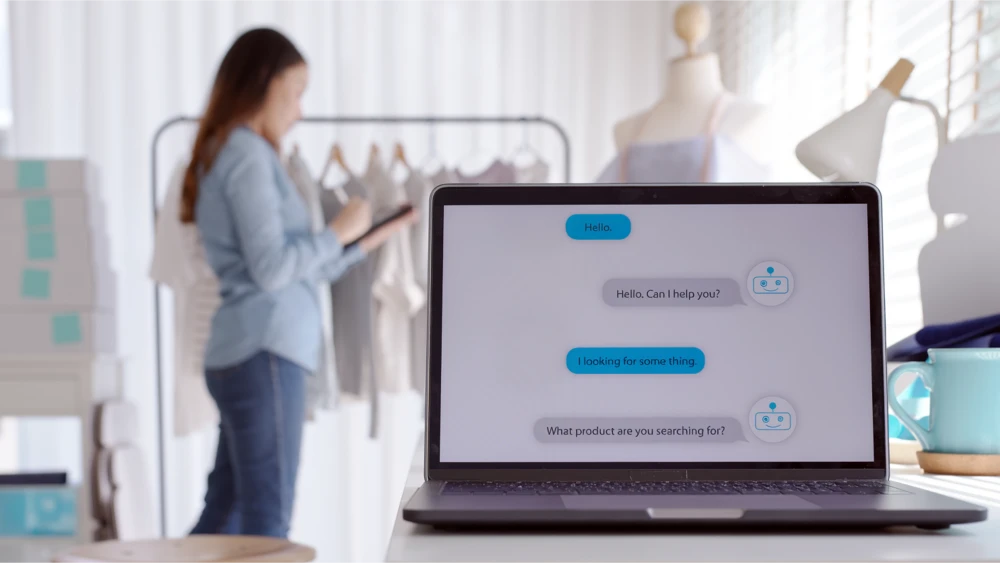
- Ask questions in natural language → “How do I close the register?”
- Get instant answers with citations → Step-by-step, consistent, and accurate.
- Track insights → See top searches, unanswered queries, and knowledge gaps.
This shifts training from a reactive, repetitive process to a proactive system that scales.
Key benefits: managers, employees, and customers
- For managers: Save up to 20 hours per month by cutting repetitive questions.
- For employees: Faster access to accurate answers, directly on mobile.
- For customers: Reliable, consistent service no matter which store they visit.
- For the business: Scale operations without hiring extra trainers.
👉 Related read: How to Improve Retail Employee Training with AI: A Practical Guide for SMBs
Don’t waste days building training courses.
BucketsAi turns the documents you already have into instant, conversational answers your team can use right away.
Faster answers, less stress
With BucketsAi employees get the right answer in seconds—without chasing managers or digging through files.
Free your managers’ time
BucketsAi answers repetitive questions automatically, giving managers back hours each week to focus on customers and growth.
Consistency across every store
BucketsAi ensures every team member, in every location, gets the same clear instructions—improving service and reducing mistakes.
Practical use cases in retail SMBs
- Pet stores: Staff ask BucketsAi how to handle grooming SOPs or pet food returns.
- Grocery chains: Cashiers confirm alcohol ID-check rules instantly.
- Fashion boutiques: Associates check exchange policies and sizing guides without leaving the customer.
- Convenience stores: Night staff review closing checklists on mobile, no manager needed.
BucketsAi isn’t just about storing knowledge — it makes it usable at the point of need.
FAQs
Q1: How is BucketsAi different from Google Drive or Dropbox?
Those tools store files, but employees still have to search. BucketsAi turns documents into instant, conversational answers.
Q2: Does this replace training programs?
No. It complements them by answering everyday questions instantly, reducing repetitive interruptions.
Q3: What about multi-language teams?
BucketsAi responds in the language the employee uses, even if the document is in another language.
Q4: How secure is it?
BucketsAi encrypts all data in transit and at rest, complies with GDPR and SOC2 standards, and keeps customer data segregated.
Conclusion & Next Steps
Knowledge is the backbone of retail operations — but only if it’s accessible. For SMB retailers, investing in smarter knowledge management means:
- Faster onboarding.
- Consistent service.
- Less wasted manager time.
- A foundation to scale.
With BucketsAi, you don’t need to reinvent training. Upload your documents, let employees ask questions, and get instant, reliable answers that keep your stores aligned.